Psychology Internship:
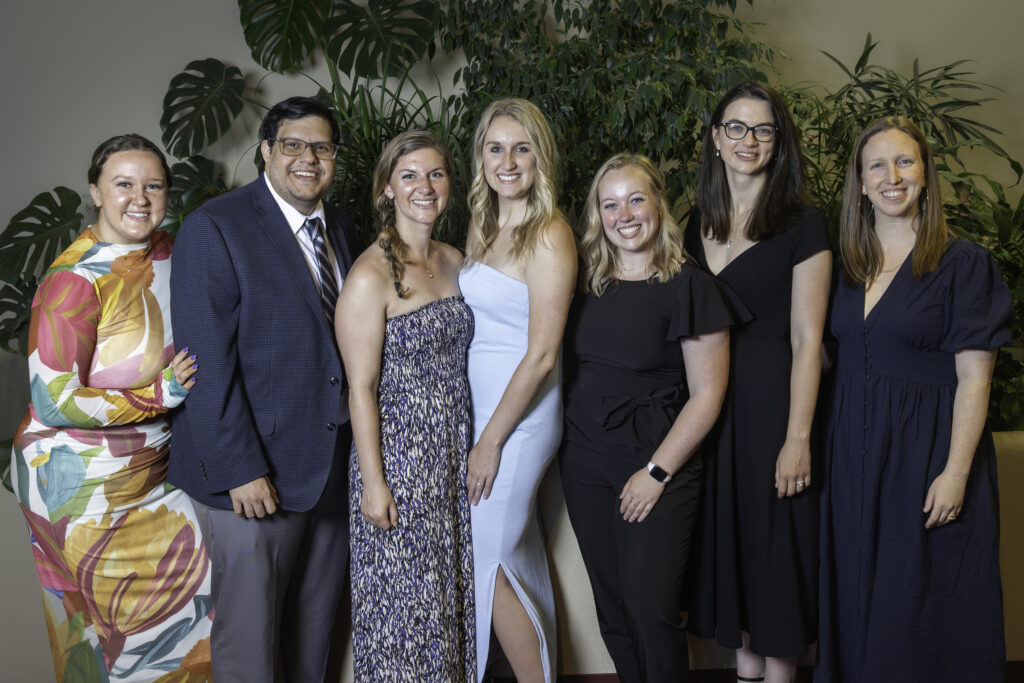
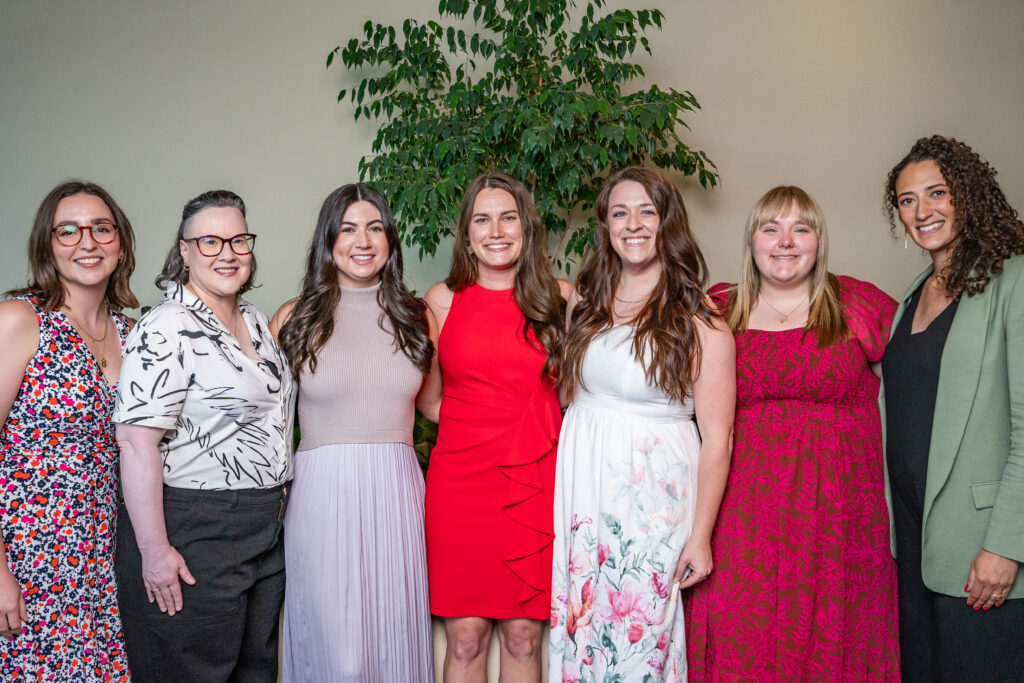
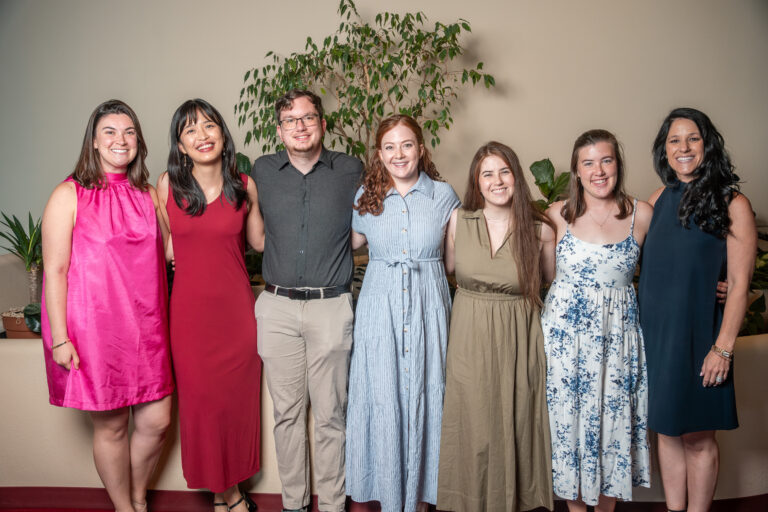
Current Clinical Psychology Interns
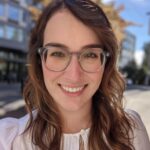
Leayh Abel, EdS
Leayh (she/her) is a Child Track intern and doctoral candidate in School Psychology at the University of Washington. She earned an educational specialist degree in school psychology from Lewis & Clark College and dual bachelor’s degrees in psychology and criminology from The Ohio State University. Her clinical training spans outpatient medical centers and educational settings, with a focus on complex neurodevelopmental conditions and challenging behavior concerns, including youth affected by prenatal substance exposures. Leayh’s clinical interests center on evidence-based psychological assessment for learning disabilities or developmental disorders and supporting families through early childhood development. Her research explores early reading development, interventions for children with early adversities, psychometrics, and school-based support practices. Outside of clinical training, Leayh is a dedicated random fact-collector and loves to learn new information to help her win at trivia games. She is excited to explore the natural areas around Madison and explore for the best spot to enjoy a good book.
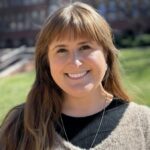

Mary "M.T." Goeltz, MA
M.T. (she/her) is a Child Track intern and doctoral candidate in the Clinical-Health Psychology Ph.D. program at the University of Colorado Denver. She completed her B.A. in Psychology at Dickinson College. M.T. is passionate about promoting access to evidence-based interventions in underserved populations and improving the wellbeing of families, both clinically and via policy work and program development. Her clinical work focuses on the assessment and treatment of behavioral health concerns in children and adolescents across outpatient, community, and medical settings. She is particularly interested in the ways in which cognitive-behavioral and third-wave approaches can be flexibly implemented to support youth with anxiety disorders, particularly those with comorbid medical conditions. Her research interests are centered around understanding mechanisms that promote positive socioemotional adjustment for infants and children in the context of caregiver psychopathology. In her free time, M.T. loves to spend her time reading, thrifting, trying new restaurants, and taking walks outside in the sun.

Andrew Levihn-Coon, MA
Andrew (he/him) is an Adult Track intern and doctoral candidate in the Clinical Psychology Ph.D. program at The University of Texas at Austin. He completed his B.A. in Psychology and Philosophy at Claremont McKenna College. Andrew’s clinical interests include providing collaborative, culturally responsive, evidence-based care for mood, anxiety, sleep, and substance use disorders, with particular interests in CBT, ACT, and DBT. He has trained in a variety of clinical settings, including a university counseling center, a VA hospital, a specialty OCD and anxiety clinic, and a university outpatient clinic. Andrew’s research focuses on improving depression treatment by examining how habit formation strategies can strengthen behavioral activation and support lasting behavior change. In his free time, Andrew enjoys songwriting, wildlife photography, gardening, camping, fishing, and spending time with his goldendoodle, Prozac.

Katherine "Kate" Sheehan, MA
Kate (she/her) is an Adult Track intern and doctoral candidate in the Clinical Psychology PhD program at the University of Toledo. She completed her B.S. in Psychology at Fordham University. Kate’s clinical interests include finding unique ways to personalize treatment for a variety of presenting concerns, with a particular interest in exposure and mindfulness and acceptance-based therapies. Her research focuses on process-based approaches to therapy and identifying and addressing barriers to the implementation and dissemination of evidence-based treatments. In her free time, Kate enjoys staying active and spending time outside.

Emily "Mily" Villasmil, MA
Mily (she/her) is a Pediatric Track intern and doctoral candidate in Clinical Psychology (PsyD) at Loma Linda University in Southern California. She earned her BA in Psychological Sciences from California State University, San Marcos and her MA in Clinical Psychology from Loma Linda University.
Mily is dedicated to working with critically ill children and their families within medical settings, with a focus on family-centered, behaviorally based interventions. She is passionate about delivering whole-person care in both English and Spanish, bringing an individualized lens to evidence-based approaches such as MATCH. She is especially passionate about partnering with parents to address emotional and behavioral concerns alongside their children, with the goal of becoming a pediatric psychologist embedded within an interdisciplinary medical team, ensuring children and their families receive the care they need to heal and thrive.
Mily’s research has been conducted within a Pediatric Health Behavior Lab, where her dissertation examined how sleep problems contribute to behavior challenges and parent stress in children with autism. She is excited to bridge research and practice through the clinical and research training opportunities at UW Health and looks forward to experiencing Madison’s lake community. In her free time, Mily can be found crafting, listening to music and podcasts, and searching for a good cup of coffee.

Jenna Weingarten, MA
Jenna (she/her) is a Pediatric Track intern and doctoral candidate in the Clinical Psychology Program at the University at Buffalo. She completed her bachelor’s degree in psychology at the University of Pennsylvania. Clinically, Jenna is passionate about supporting the mental health of pediatric patients as they and their families navigate complex medical challenges. She centers her patients’ values in their treatment and enjoys working collaboratively on interdisciplinary teams to improve patient care and outcomes. Her research interests include examining child and adolescent social relationships and their links with internalizing and externalizing symptoms. She also focuses on developing assessments of youth psychosocial adjustment to better conceptualize these processes. Outside of work, Jenna enjoys spending time with family and friends, tap dancing, and visiting the zoo.
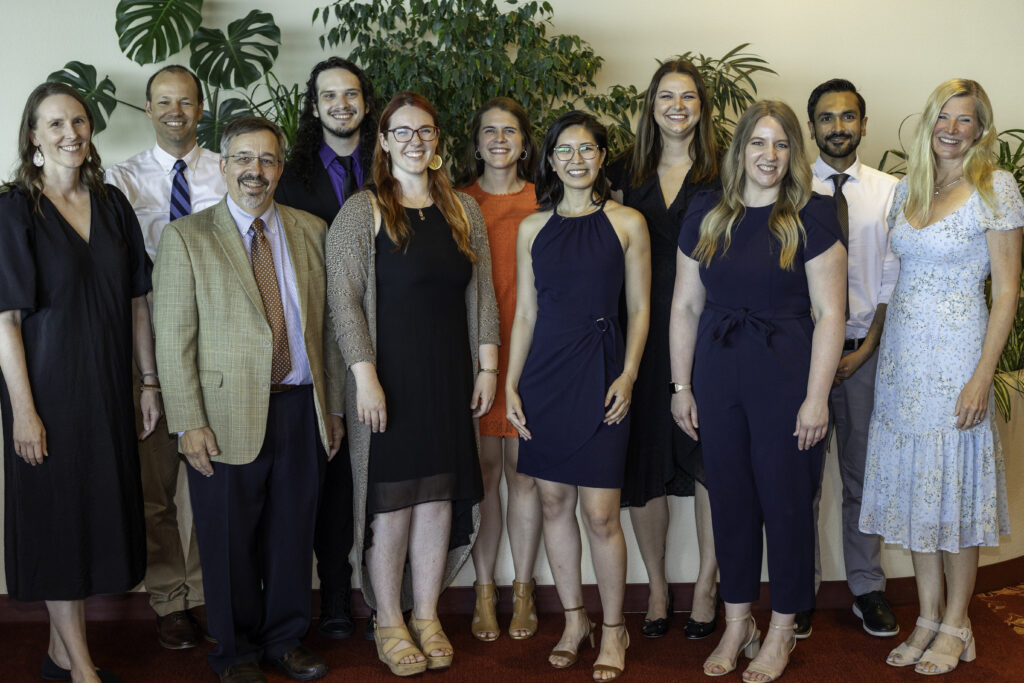
Psychology Postdoctoral Fellows

Daniel Brunette, PhD
Daniel (he/him) is an Adult Psychology Postdoctoral Fellow at the University of Wisconsin-Madison. Daniel completed his internship at UW-Madison before joining as a postdoctoral fellow in 2026. Daniel strives to provide evidence-based, skills-focused therapy for a broad range of presentations including anxiety, mood, personality, and trauma and stressor-related disorders. Daniel specializes in modalities such as Dialectical Behavioral Therapy (DBT), Acceptance and Commitment Therapy (ACT), and Cognitive Behavior Therapy (CBT). In addition to outpatient therapy, Daniel is in the DBT team as a facilitator for young adult and adult DBT groups and is training in the OCD specialty clinic.
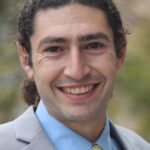
Jesse Cook, PhD
Jesse (he/him) is a Postdoctoral Fellow with a doctoral degree in Clinical Psychology from the University of Wisconsin-Madison. He completed his pre-doctoral internship at the VA Palo Alto Health Care System. His research focuses on the intersection of sleep and mental health, with his primary program of research purposed to advance the classification, assessment, and treatment of unexplained hypersomnolence. He has additional research interests related to the strengths, limitations, and overall utility of wearable sleep tracking technology for research and clinical purposes, as well as the roles of sleep and circadian health in the performance and well-being of athletes. Clinically, he embraces an integrative orientation, drawing principally from CBT and third-wave therapy approaches (i.e., ACT and DBT). He is very passionate about behavioral sleep medicine and intends to specialize as a Diplomate in Behavioral Sleep Medicine. Jesse is excited about the opportunity to return to WisPIC, viewing this as the optimal next step towards a career in science and practice grounded in sleep and mental health.

Jess Lathrop, PhD
Jess (she/her) is a Child Psychology Postdoctoral Fellow at the University of Wisconsin-Madison. She earned her Doctorate in School Psychology from Lehigh University in Bethlehem, PA where she also earned a Master’s degree in Human Development. Jess completed her Bachelor’s degree in Biology and Psychology at Hobart and William Smith Colleges in Upstate New York. Her clinical training emphasized evidence-based, trauma-informed care in school and outpatient settings. Jess is passionate about increasing access to mental health care for underserved children and their families. She has worked with children and adolescents with a range of concerns, including ADHD, autism spectrum disorder, anxiety disorders, mood disorders, and trauma-related disorders. During her postdoctoral fellowship, Jess is excited to continue specializing in family therapy, as she takes a relational, emotion-focused, and systems-based approach. She also provides preschool and school consultation, building upon her previous experience as an elementary school teacher. For fun, Jess enjoys playing pickleball, watching football, and paddleboarding.
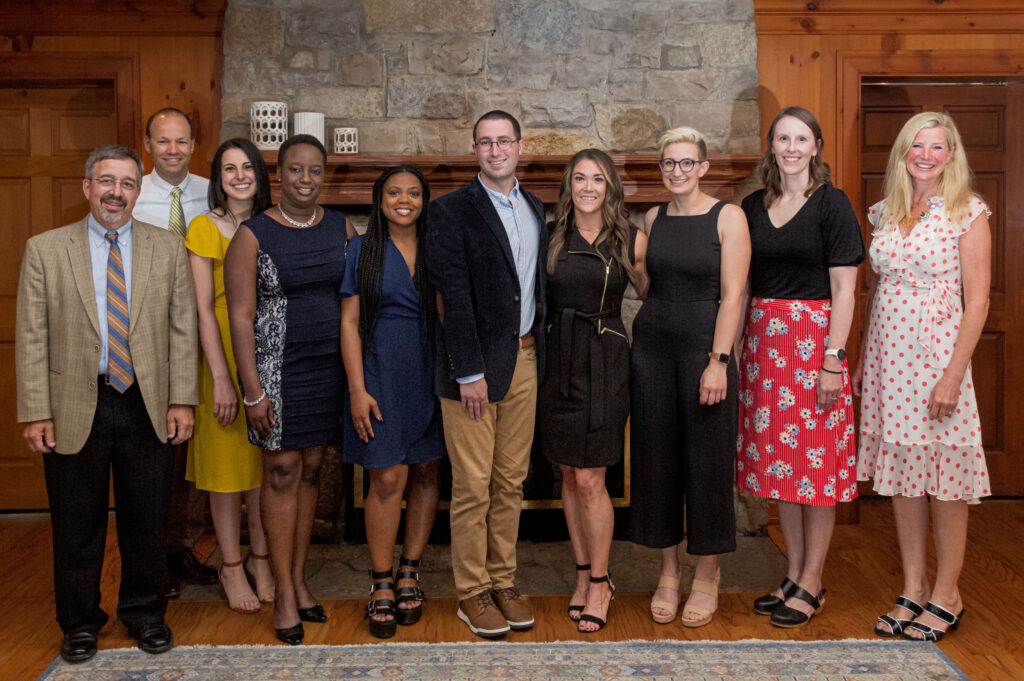
Alumni
Our interns are successful in finding a good fit for their next step in their career. The majority of our graduates complete a post-doctoral fellowship in academic university/department or health center settings after internship, although we invite and support the career path that feels like a best fit for you. Please see the table below for information on our graduates’ initial post-internship positions over approximately the last 3 years.
Initial Post-Internship Positions
(Provide an Aggregated Tally for the Preceding 3 Cohorts)
| 2024 – 2026 | ||
| Total number of interns who were in the 3 cohorts
|
21 | |
| Total number of interns who did not seek employment because they returned to their doctoral program/are completing doctoral degree
|
1 | |
| PD | EP | |
| Academic teaching
|
0 | 0 |
| Community mental health center
|
0 | 0 |
| Consortium
|
0 | 0 |
| University Counseling Center
|
0 | 0 |
| Hospital/Medical Center
|
6 | 0 |
| Veterans Affairs Health Care System
|
0 | 0 |
| Psychiatric facility
|
0 | 0 |
| Correctional facility
|
0 | 0 |
| Health maintenance organization
|
0 | 0 |
| School district/system
|
0 | 0 |
| Independent practice setting
|
1 | 1 |
| Other: Academic university/department
|
10 | 0 |
| Other: Seeking licensure
|
2 | 0 |
Note: “PD” = Post-doctoral residency position; “EP” = Employed Position. Each individual represented in this table should be counted only one time. For former trainees working in more than one setting, select the setting that represents their primary position.